Executive Summary: This guide compares assisted stretching and massage therapy for recovery, weighing each modality’s mechanisms, benefits, limitations, indications, and contraindications. We summarize key clinical studies (with original sources) on flexibility, performance, and soreness outcomes. Practical advice covers when to use each therapy (or combine them), session frequency/duration, and a 4-week recovery plan (see table and Mermaid chart below). Local Dubai market data is incorporated (e.g. pricing and competitors).
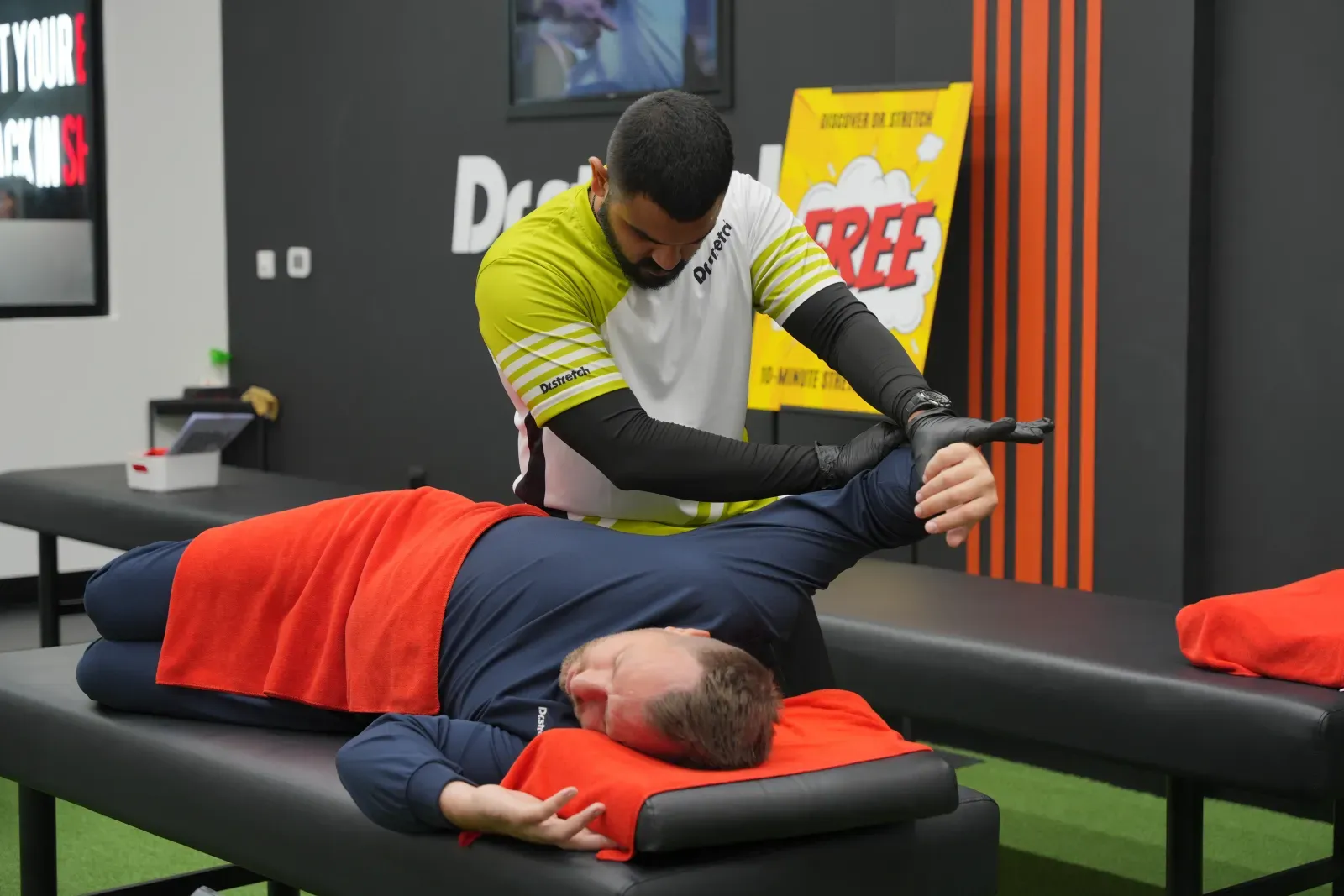
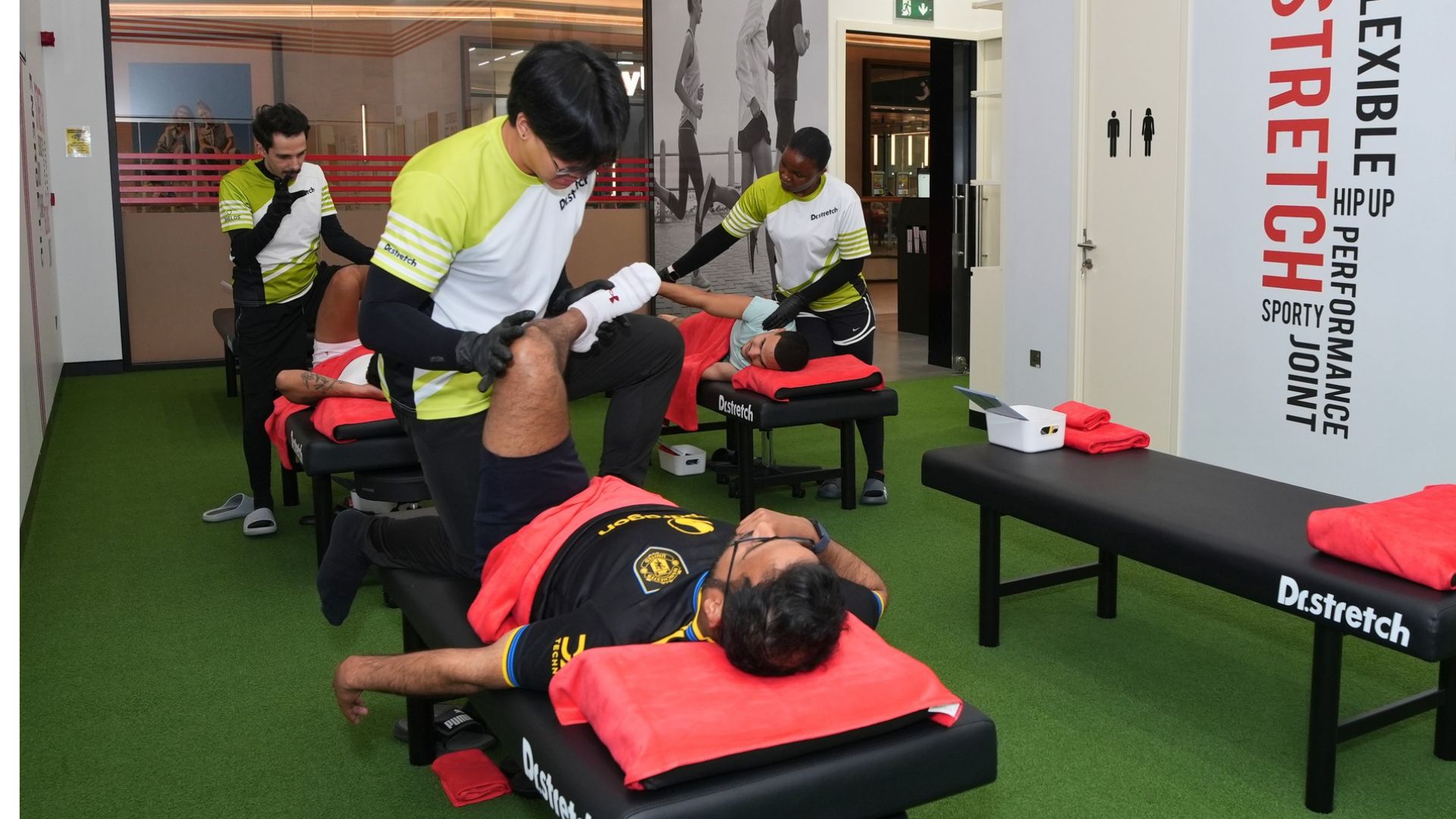
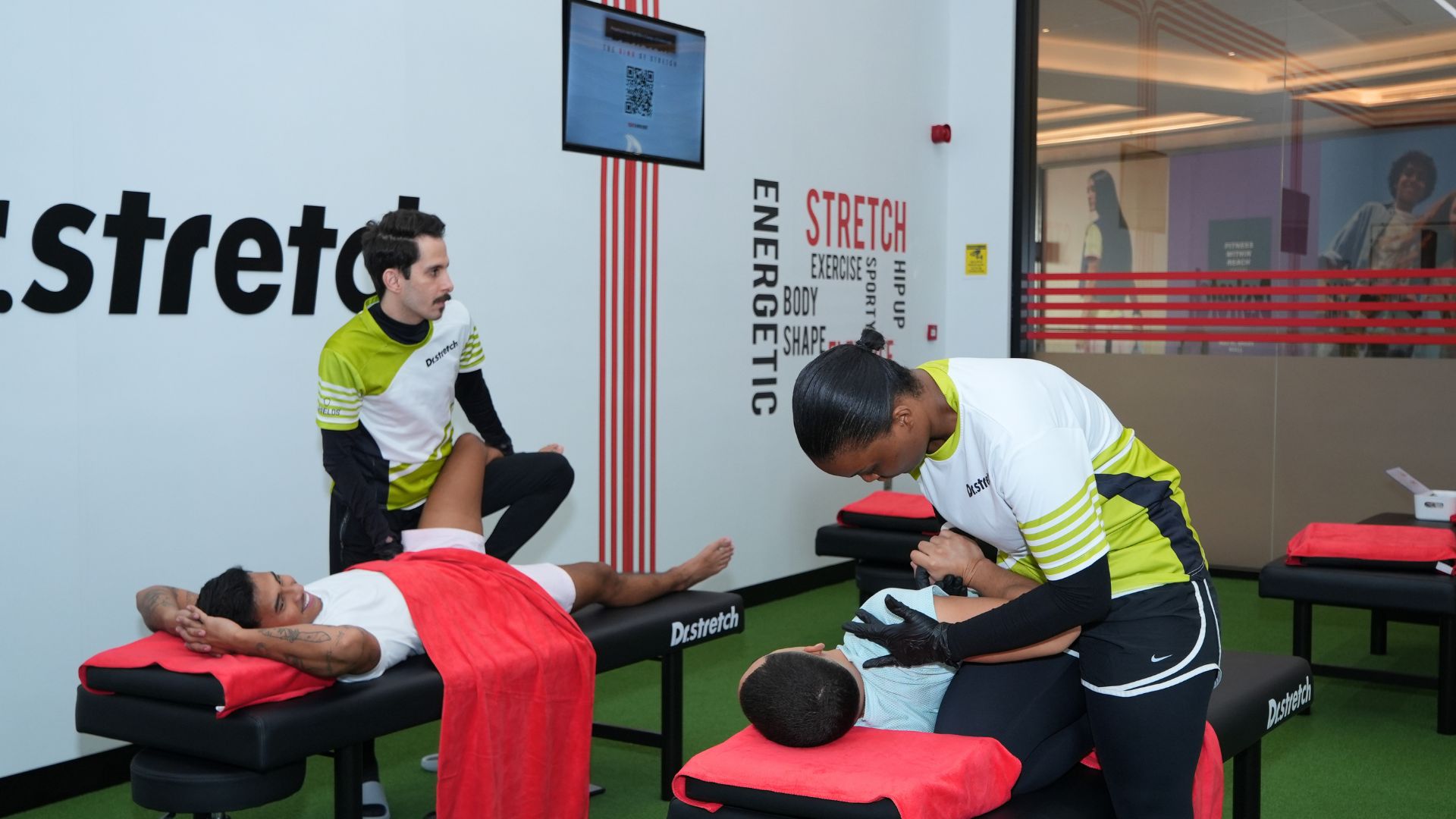
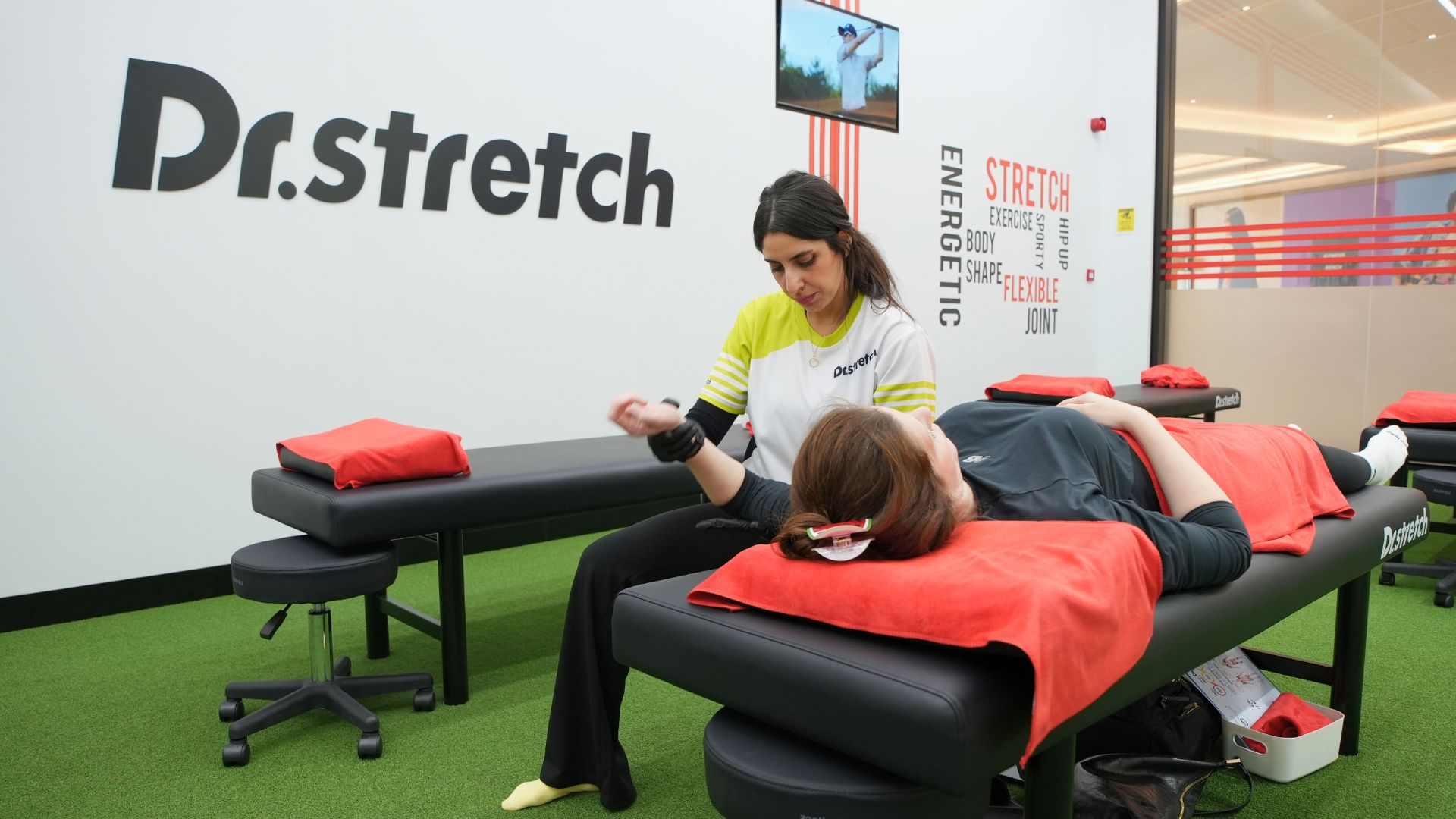
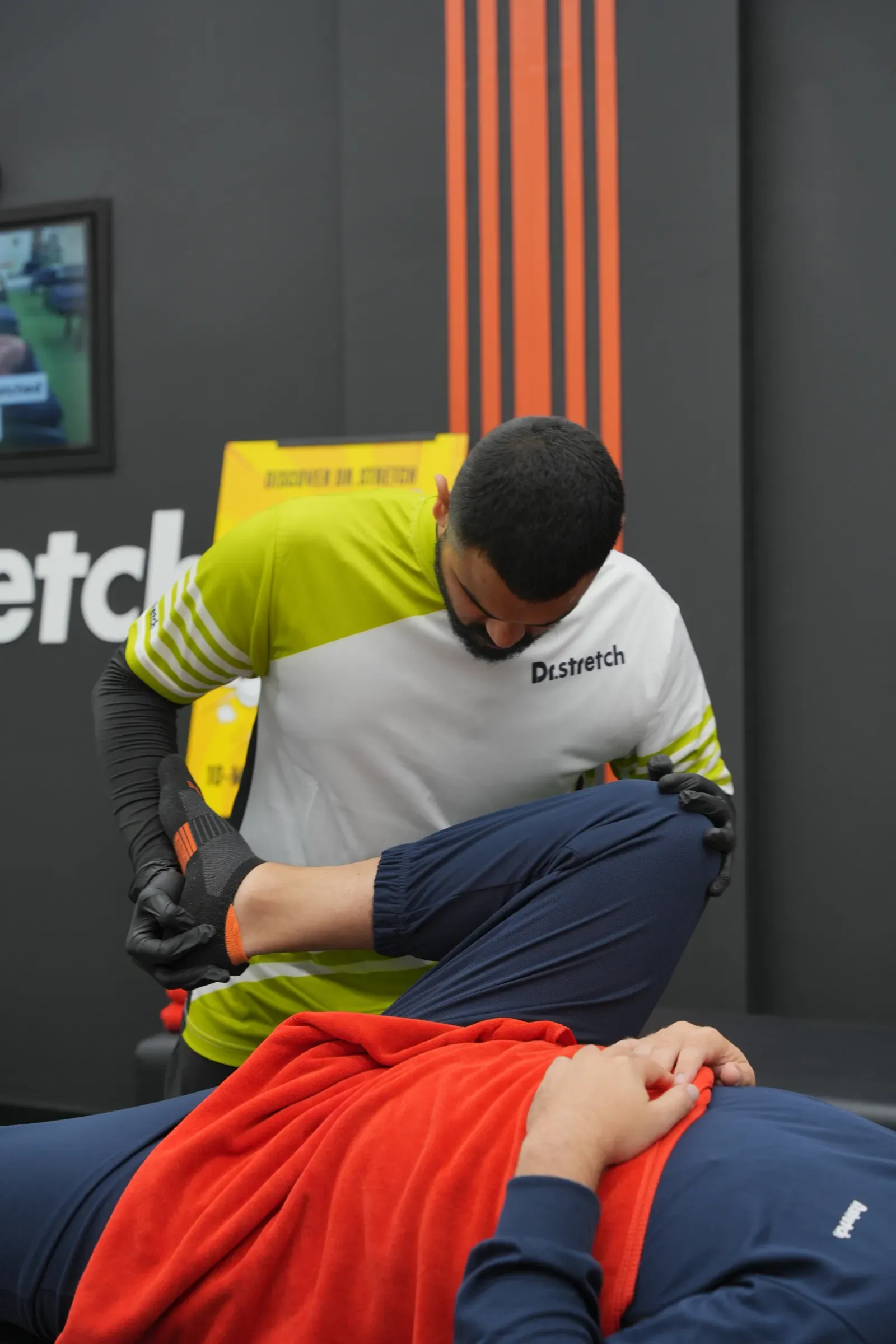
Assisted Stretching (Stretch Therapy): A trained practitioner uses external force (body weight, straps, etc.) to guide your limbs through greater ranges of motion. As Dr.stretch explains, assisted stretching “takes the guesswork – and the effort – out of stretching” by having experts “guide your body through deep, targeted stretches” while you relax. This passive (PNF-style) stretching can safely reach muscles you can’t on your own, promoting neuromuscular relaxation. Over time the nervous system adapts, expanding your natural flexibility baseline.
Massage Therapy: Massage involves manual manipulation (kneading, compression, etc.) of soft tissues. Techniques (therapeutic, deep-tissue, sports massage, etc.) aim to loosen tight muscles, break up adhesions, and improve blood flow to speed recovery. Massage increases circulation, which can help clear metabolic waste and reduce muscle soreness[1][2]. It also stimulates mechanoreceptors for pain relief and relaxation. Unlike stretching, massage typically does not actively lengthen a muscle beyond its passive limit; rather it releases localized tension and spasms.
Key Differences: In summary, assisted stretching emphasizes lengthening muscles and increasing joint range, while massage emphasizes manipulating muscle tissue and circulation. Assisted stretching often produces immediate gains in ROM and flexibility[3], whereas massage can produce more immediate relief of soreness and tightness[4]. Both can reduce pain and improve recovery, but via slightly different pathways.
Benefits, Limitations, Indications and Contraindications
Benefits of Assisted Stretching: Improves flexibility/mobility, posture, and muscle relaxation[1]. It can accelerate recovery by increasing blood flow and flushing tension. Proper guidance reduces injury risk from incorrect stretching[5]. Targeted stretches also relieve chronic stiffness (e.g. tight hips or shoulders) that solo stretching often misses.
Limitations of Assisted Stretching: Requires skilled therapist; risk if done incorrectly (overstretching). It may be less effective for acute DOMS (delayed soreness) than massage (see studies below). Sessions typically need commitment (e.g. weekly to maintain gains).
Indications for Assisted Stretching: Ideal for chronic muscle tightness, reduced range of motion, posture issues, ongoing wellness routines, and long-term recovery in athletes or desk-bound workers. It’s proactive: clients often use it “as a weekly recovery ritual” after workouts or long workdays.
Benefits of Massage Therapy: Eases muscle soreness and pain; improves circulation and lymphatic flow; breaks down scar tissue; and relaxes the nervous system. A recent RCT (150 athletes) found twice-weekly 40-min deep-tissue massage for 8 weeks significantly improved performance and recovery, especially in team/strength athletes. Massage also increased joint flexibility (longer sessions gave larger ROM gains). Crucially, massage has been shown to reduce DOMS more than stretching: one study noted massage produced significantly less soreness (p<0.001) compared to stretching after exercise[4].
Limitations of Massage Therapy: Benefits can be short-lived without ongoing sessions. Deep tissue massage can be uncomfortable. It does not usually extend range beyond current limits (so it may not correct mobility deficits as effectively as stretching[6]). On its own, massage is less “proactive” for long-term flexibility gains.
Indications for Massage: Best for acute muscle tightness, soreness, and pain relief. Athletes often use massage post-competition or intense training to speed recovery[4]. It can also relieve stress and relax the nervous system. If a client’s main complaint is muscle soreness or knots (e.g. neck/shoulder pain from work), massage is a top choice.
Contraindications (either therapy): Acute injuries (sprains, fractures), severe osteoporosis, uncontrolled high blood pressure, deep vein thrombosis, fever or infections, open wounds, and conditions like cancer without medical clearance. Specific to stretching: avoid overstretching acutely inflamed muscles[6]. Specific to massage: avoid vigorous massage on inflamed or infected areas and during pregnancy without approval.
Clinical Evidence and Studies
We reviewed recent studies on stretching and massage for recovery. Key findings include:
Stretching programs improve performance (elderly pilot RCT): In a randomized trial (N=17 elderly, 88.8±5.4 yrs), an 8-week active-assisted stretching program (twice-weekly targeted stretches) significantly increased joint ROM and all functional performance tests versus a control group. The AA group (assisted stretching) showed significant ROM gains for most joints (p<0.05) and improved strength/speed outcomes (p<0.05). No adverse events were reported. This suggests even frail adults can improve mobility and function through assisted stretching.
Stretching vs Stretch+Massage (young athletes): A 2020 study (N=35 semi-pro volleyball players) compared static stretching (SS) vs static+massage (SSM) vs no stretch. After 4-week programs, both SS and SSM groups had ~12–16% greater flexibility than controls[7]. However, maximal jump (SJ, CMJ) performance dropped by ~10% after SS due to muscle fatigue, whereas the SSM group had no significant performance loss compared to control[7]. In other words, adding massage to stretching prevented the usual drop in explosive power while still improving flexibility. This implies combining massage after stretching mitigates soreness and performance decrements.
Massage improves recovery and flexibility (RCT, athletes): A 2025 RCT (N=150, ages 18–45) applied 8 weeks of twice-weekly 40-min deep-tissue massage. Team/strength athletes showed the greatest performance gains (p=0.004). Biweekly massage significantly improved recovery outcomes (χ^2=9.41, p=0.024) and increased flexibility (longer sessions gave larger gains, χ^2=19.77, p<0.001). Overall, massage led to improved muscle strength and range (especially in lumbar, knee, shoulder). The authors conclude massage “improves athletic performance and muscle recovery”, especially for team/strength sports.
Massage vs Stretching for DOMS (older vs newer evidence): The 1997 thesis cited above found massage yielded significantly less muscle soreness than stretching (p<0.001)[4]. Most subjects improved performance whether doing massage or stretching, but delayed-onset muscle soreness was lowest in the massage group. By contrast, a 2014 PNF stretching trial (N=57, young adults) reported that post-exercise PNF stretching did not prevent DOMS (pain decreased similarly in PNF and control groups). These mixed findings suggest: neither static nor PNF stretching reliably reduces DOMS, whereas massage tends to help more with soreness[4][6].
Evidence Gaps: Direct trials comparing assisted stretching vs massage head-to-head are scarce. Most studies examine each modality separately or combine them. No high-quality RCT yet declares one universally “better.” Also, effects may vary by population (athletes vs clinical vs elder). Further research could clarify which therapy yields faster recovery in specific contexts (e.g. after injury, surgery, different sports).
Practical Guidance for Clients
Choosing One or the Other:
If flexibility or mobility is the goal (e.g. tight hips, limited shoulder ROM, postural imbalance), favor assisted stretching. It directly lengthens muscles and retrains the nervous system.
If muscle soreness, knots, or DOMS is the primary issue, favor massage. Massage loosens tight spots and reduces soreness more immediately[4].
Consider client preference and comfort: Massage feels relaxing; stretching can be intense. Some clients may even find stretching massage (a combination of both) useful, as Dr.stretch describes: a “unique blend of deep stretching and massage” targeting fascia.
Combined Protocols: Many athletes and clients benefit from blending both. For example, one protocol might be stretch–massage–stretch in a session: begin with assisted stretches to lengthen muscles, then a short focused massage on tight knots, then finish with gentle stretches to reinforce gains. Alternatively, alternate sessions (e.g. one day massage, next day stretch) can keep both mobility and muscle health. The volleyball study suggests adding massage after stretching helps maintain performance[7].
Frequency & Duration: Evidence-based regimens vary, but common schedules include: 1–3 sessions per week of either type. In the 8-week RCTs above, twice-weekly 40–60 min sessions were effective. Beginners might start with once-weekly sessions and increase as tolerated. The key is consistency: regular weekly sessions (“a recovery ritual”) yield cumulative improvements. Most clients see noticeable progress within 2–4 weeks of routine sessions.
Expected Timeline: Improvements in flexibility or soreness can appear within weeks. For example, the elderly stretching study showed significant gains after 8 weeks. The deep massage study saw performance and recovery improvements by 4–8 weeks. Of course, individual responses vary. In general:
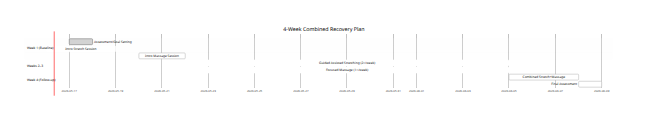
Recovery Chart: The above timeline shows a sample 4-week plan (starting May 17, 2026). It begins with assessment and one introductory session of each therapy. Weeks 2–3 involve twice-weekly stretches and once-weekly massages. Week 4 includes combined sessions and a final evaluation.
Comparison infographic: Assisted Stretching vs Massage Therapy across 9 features including mechanism, benefits, pricing, and session frequency
Feature
Assisted Stretching
Stretch Therapy
Massage Therapy
Soft-tissue work
Mechanism
Therapist guides limbs through extended range (PNF-type). Lengthens muscles, retrains nerves.
Avoid on varicose veins, infections, deep vein thrombosis.
Open woundsDVTFever
Effect on performance
Improves functional performance over weeks. RCT: elderly group showed significant strength & agility gains (p<0.05).
No direct boost, but reduces soreness so you can train harder. RCT found improved strength & flexibility with 2×/week sessions.
Duration of benefit
ROM gains can last weeks to months with maintenance sessions.
Temporary relief — regular sessions needed to sustain benefits.
Recommended frequency
1–2× per week. Studies used 2×/week over 8 weeks for significant ROM gains.
1–2× per week or post-event as needed. RCT protocol: twice-weekly 40-min sessions.
Dubai pricing
AED 209–445
per session · 20–60 min Studio from AED 209 · Allied clinic AED 375–445
AED 230–375
per session · 20–60 min From AED 230 · Sports massage AED 375
Stretch benefits
Massage benefits
Contraindication
Frequently Asked Questions
Is assisted stretching or massage better for muscle recovery?
It depends on your goal. If you have delayed onset muscle soreness (DOMS) after training, massage tends to reduce soreness faster — clinical evidence shows massage produces significantly less post-exercise soreness than stretching alone. If your goal is improving flexibility or correcting a range-of-motion deficit, assisted stretching is more effective because it directly lengthens muscles and retrains the nervous system. For most athletes, combining both in the same week gives the best results: stretching for mobility gains, massage for soreness relief.
How often should I get assisted stretching sessions in Dubai?
Research supports twice-weekly sessions for measurable flexibility gains. A Johns Hopkins pilot study using twice-weekly active-assisted stretching over 8 weeks showed significant range-of-motion improvements across most joints. For general wellness maintenance, once a week is a practical minimum. Most Dr.stretch clients begin with weekly sessions and increase frequency based on their recovery demands or training schedule.
Can I do assisted stretching and massage in the same week?
Yes — and the evidence supports it. A study on semi-professional volleyball players found that adding massage after a static stretching program prevented the performance drop that stretching alone can cause, while still delivering the same flexibility gains. A practical weekly structure: one assisted stretch session early in the week, one massage session mid-week to clear soreness before your next training block.
What is the difference between assisted stretching and a sports massage?
Assisted stretching uses a trained therapist to guide your limbs through greater ranges of motion than you can reach alone — the focus is lengthening muscles and expanding joint mobility. Sports massage manipulates the soft tissue through compression, kneading, and friction — the focus is breaking up adhesions, improving circulation, and relieving localised tightness or spasm. Both improve recovery, but by different mechanisms: stretching retrains the nervous system and extends range; massage increases blood flow and reduces muscular tension.
Is assisted stretching safe immediately after a workout?
Generally yes, and it is a common post-workout recovery choice. Assisted stretching after exercise can help clear metabolic waste, reduce next-day stiffness, and begin extending any training-related tightness. Avoid aggressive assisted stretching on acutely injured muscles — in those cases, consult a physiotherapist first. For healthy muscles post-training, gentle to moderate assisted stretching is safe and beneficial.
How long until I see results from regular assisted stretching?
Most clients notice reduced tightness and improved range of motion within 2–4 weeks of consistent weekly sessions. Clinical studies show significant ROM gains after 8 weeks of twice-weekly sessions. Individual response varies based on baseline flexibility, training load, and session frequency. Consistency matters more than any single long session — regular shorter sessions compound over time more effectively than infrequent marathon appointments.
What should I do if I have DOMS after a heavy training session?
For acute DOMS — soreness peaking 24–48 hours after training — massage is the better first choice. It has been shown to reduce soreness more effectively than stretching in post-exercise recovery. Light active movement, hydration, and sleep are also key. Once the acute soreness subsides (typically by day 3–4), assisted stretching can help restore full range of motion and prepare you for the next training block. Avoid intense static stretching on severely sore muscles as it can worsen micro-damage.
Who should avoid assisted stretching or massage?
Both therapies share these contraindications: acute fractures or sprains, deep vein thrombosis, uncontrolled high blood pressure, fever, active infections, open wounds, and advanced osteoporosis. For assisted stretching specifically, avoid stretching acutely inflamed muscles. For massage, avoid vigorous deep-tissue work on inflamed or infected areas. Pregnant clients should obtain medical clearance before both therapies. If you have a chronic condition or are post-surgery, consult your doctor before booking.
One trainer might immediately mention the hips. Another might swear by a good quad stretch. Someone else might tell you that the shoulders and upper back deserve far more attention than they usually get.
Before new trainers begin working with clients in our studios, they go through thorough training and education. The purpose is straightforward: make sure they are equipped with the knowledge and skills required to work with the people who trust us with their bodies.
At Dr.stretch, becoming a stretch trainer isn't simply about knowing how to stretch. Before stepping onto the studio floor, new trainers go through thorough training and education designed to prepare them for the different people, bodies and concerns they will encounter during a session.
Compare assisted stretching vs massage for recovery. This evidence-based guide (Dubai-focused) covers mechanisms, benefits, clinical studies, and practical tips on when to use each therapy. Optimize recovery with stretch or massage
Discover the power of fascia — the hidden connective tissue shaping your mobility. Learn how Dr.stretch’s assisted stretching releases tight fascia to boost flexibility, reduce pain, and improve your daily life.


.jpg)
.jpg)
.jpg)
.jpg)
.jpg)
.jpg)
.jpg)
.jpg)
.jpg)
.jpg)
.jpg)
.jpg)
.jpg)
.jpg)


%20band.jpg)

.jpg)
.jpg)
.jpg)